
Stronger Customer Bonds: Engagement Strategies Every Small Business Can Use

Guest post by Chelsea Lamb of businesspop.net

Building loyalty isn’t about sending endless promotions or pushing products. It’s about creating moments where customers feel like they’re talking to a real person who listens, remembers, and responds. For a small business, customer engagement is the ground your reputation grows from. Done right, it doesn’t just keep people around—it makes them advocates. Below are practical ways you can tighten those bonds, drawn from proven practices and real examples, so that your customer relationships become more than just transactions.

Listening to More Than Their Words

Listening is one of the cheapest yet most powerful strategies a business can practice. When someone shares frustration or excitement, repeating it back in your own words shows you’re paying attention. Forbes describes the quiet power that leaders discover when they genuinely tune in to people’s words and silences, rather than racing to reply. Customers sense the same thing when you hold space for them. This isn’t passive—you’re picking up tone, phrasing, and even hesitation, then responding with curiosity instead of scripted answers. For a shop owner, that might mean pausing while a regular customer talks through a concern, then asking one simple question that clears the air. Over time, those little acts add up to trust and deeper connection.

Professional Web Design as a Trust Signal

For small businesses trying to sharpen their digital edge, help with creating and maintaining websites is often the difference between being found or forgotten. A professional team can offer not just build-out but ongoing management, treating a site as a living, evolving asset. This kind of support ensures your storefront online mirrors the quality of your service offline, with updates, responsive layouts, and clarity that keep customers clicking. In a landscape where first impressions often happen on a screen, reliable design partners mean you’re never left behind by shifting technology.

Personalized Print Connections That Last

Sometimes digital communication alone can’t carry the full emotional weight. Sending something physical—a card, a message that lands in someone’s hand—makes the connection more personal. The right platform lets you design custom holiday cards and branded keepsakes, adding that touch of warmth to customer relationships. If you’re curious, try this out and consider how a small batch of thoughtful mailers could strengthen loyalty. For businesses built on relationships, a tangible reminder often lingers far longer than an inbox notification.

Speak to Them, not the Crowd

Generic blasts—emails with “Dear Customer” or social posts that sound like megaphones—fade into the noise. What stands out is a message that references something only that customer would know you noticed. Vonage explains that personalization starts with the interactions you already know: purchase history, quick polls, casual comments. Even a note acknowledging their birthday or a follow-up on something they mentioned in passing turns a mass message into a one-to-one exchange. A café that recalls how someone takes their latte, or a consultant who remembers which project phase a client is worried about, shows attention in a way software alone can’t fake. Personalization isn’t fluff—it’s proof that you value the person behind the sale.

Strategic Social Media Presence

Every business feels the pull to “be everywhere” online, but trying to post on every platform usually leaves you thin. The smarter play is choosing two or three spaces that truly match your customers. Small businesses that learn which content drives engagement are better able to focus their energy and avoid scattershot posting. Once you’ve picked, commit: post consistently, comment back, and weave a mix of stories, spotlights, and even small mishaps. If you’re a florist, maybe your Facebook posts show behind-the-scenes bouquet prep while your Instagram bursts with bold color. What matters isn’t scale but rhythm—regular signals that you’re present and approachable in the channels your audience actually uses.

Feedback as Fuel, not Fear

It’s tempting to see feedback as a complaint box, but it’s better framed as a free research lab. Customers love to see their opinions not only heard but acted on. A quick way to gather reactions is by posting surveys on your social pages, adding polls to stories, or asking direct questions in groups. The follow-through is the critical piece: acknowledging feedback publicly, then adjusting or adding based on it. Maybe you tweak your return policy after a customer suggests clearer language, or add a product variation because several people asked. Even if the change is small, it signals that their voices shape your business. And the more you close that loop, the more customers trust you to evolve alongside them.

Engage in Public Conversations

Every public mention of your business is an opportunity, whether it comes as praise or critique. People watch how you handle those moments, and your responses set the tone for reputation. Companies that respond swiftly to social mentions create goodwill far beyond the original comment thread. Imagine a customer posts on X about a delayed delivery; your quick acknowledgment and solution not only reassure that one person but also demonstrate your responsiveness to everyone following along. It’s less about perfect answers and more about human presence. Over time, the consistent choice to step into conversations turns social chatter into a showcase for your brand’s reliability.

Engagement isn’t about stacking tools or mastering tricks; it’s about the rhythm of paying attention and responding with care. Listening closely, speaking personally, showing up consistently online, and acting on feedback all create momentum. Add in tools like web design partners or custom print campaigns, and your strategy deepens further. Every interaction becomes an opportunity to prove you’re not just another business vying for attention but one that values real people. Over time, this steady practice shapes loyalty that outlasts discounts or promotions, anchoring your place in the hearts of customers who feel seen, heard, and remembered.

Elevate your business with Chickadee Web Design and unlock the full potential of your online presence through expert web design and digital marketing solutions!

Image via Pexels
No Blueprints, Just Bold Moves: Building an E-Commerce Business

Guest post by Chelsea Lamb of businesspop.net

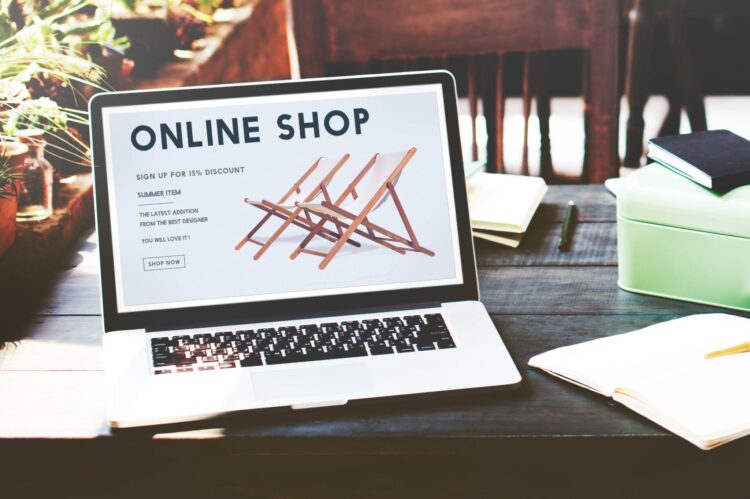
There’s no single blueprint for launching an online business—especially when you’re just starting out in your 20s or 30s. What there is, however, is an undeniable shift happening. More young entrepreneurs are bypassing the traditional career ladder to build something of their own from scratch, and e-commerce has become one of the most accessible entry points. But with accessibility comes noise, and for anyone serious about making this more than a side project, it takes a sharp balance of scrappy strategy and long-game thinking to stand out.

Validate Before You Invest

The early days of a business aren’t for perfecting the website or ordering fancy packaging. The first real priority should be validating whether there’s actual demand for what’s being sold. Too many first-time entrepreneurs skip this and jump straight into production, assuming their passion will translate into profit. Instead, testing interest with small product batches, pre-orders, or even simple landing pages can reveal whether the market is hungry—or just politely curious. Validation is about listening, not assuming, and adjusting based on what real people are actually doing, not what they say they might do.

Pick a Product That Solves, Not Just Sells

A product that looks good in a flat lay won’t carry a business if it doesn’t serve a purpose. The most sustainable e-commerce brands are built on solving small but persistent problems for specific types of people. Maybe it’s simplifying skincare for travelers, or rethinking gym bags for commuters—either way, the product should answer a need that’s already lurking in your target customer’s day. Entrepreneurs in their 20s and 30s have a sharp advantage here: proximity to evolving lifestyles and cultural shifts that older brands often miss. The trick is translating personal insight into a universal benefit.

Turn Testimonials Into a Trust Engine

Skeptical buyers aren’t swayed by bullet points, they’re moved by stories. If you’ve ever hesitated to buy something without reading the reviews, you already know why social proof builds trust. Creating a testimonial page or embedding reviews strategically across your site isn’t just a vanity play. It’s a conversion strategy. Include customer names, businesses (with permission), and specific outcomes. Bonus: video testimonials can serve double duty across your social and ad channels. In a world full of options, proof of satisfaction often makes the difference between browsing and buying.

What You Learn Shapes What You Build

Every decision you make as a founder is easier when your business acumen is sharp—and earning an online business degree can give you the tools to make smarter calls. Whether it’s reading financial statements, analyzing customer data, or making strategic growth decisions, a structured program fills in gaps that Google searches can’t. A business management degree, in particular, helps you build real skills in leadership, operations, and project management—skills you’ll rely on every day. Since online programs are built for flexibility, you can keep running your business while you learn; click here for more information.

Forget Perfection, Prioritize Momentum

Done is better than perfect—especially when you’re building a business with limited time and resources. The pursuit of perfection often masks procrastination, and in e-commerce, timing matters more than polish. Instead of waiting for the brand to look like something straight out of a design agency’s portfolio, the better move is to launch scrappy, get feedback, and iterate in public. Progress builds momentum, and momentum is magnetic; the more you move, the more people notice. Every early version teaches something, but only if it makes it out into the world.

Design for Retention, Not Just Reach

The obsession with going viral can distract from what actually sustains a business: people coming back. While flashy content and clever marketing might drive traffic, what converts one-time buyers into loyal customers is an experience that delivers every time. This means clear communication, fast shipping, seamless returns, and a product that feels even better in real life than it looked online. Retention is where the real profits are made, and young founders who invest in this part early avoid the churn-and-burn cycle that drains both budgets and morale. Don’t just sell once—build something worth sticking around for.

Start With Systems, Even If They’re Small

Systems sound like something for “later,” once the business scales—but waiting too long can get messy, fast. From how orders are tracked to how customer inquiries are handled, setting up even simple processes early can create structure amid chaos. This doesn’t mean overengineering; a spreadsheet and a checklist beat a tech stack nobody knows how to use. Entrepreneurs who systematize early free themselves to focus on growth, rather than constantly putting out fires. Structure brings peace of mind, and peace of mind is an underrated power move when you’re building something from scratch.

Starting an e-commerce business in your 20s or 30s isn’t about having the perfect idea, the perfect timing, or even the perfect plan. It’s about starting. Each small decision compounds, each launch teaches, and each mistake reveals what matters. The best brands didn’t start fully formed; they evolved through trial, connection, and a relentless willingness to keep going. There’s no permission slip for entrepreneurship—you either begin or you don’t. And those who do, and keep doing, are the ones who eventually build something that lasts.

Elevate your business with Chickadee Web Design and unlock the full potential of your online presence through expert web design and digital marketing solutions!

Image via Freepik

7 Website Enhancements That Help Your Business Grow in Uncertain Times

Guest post by Chelsea Lamb of businesspop.net

Economic downturns don’t pause customer expectations. If anything, they crank up the pressure: budgets shrink, patience thins, and trust becomes harder to earn. For small business owners, a website isn’t just digital real estate, it’s a working tool. It should reassure prospects, capture leads, drive conversions, and smooth out friction all at once. But too often, websites collect dust instead of momentum. In uncertain times, sharpening your digital storefront isn’t optional, it’s one of the most accessible levers you can pull to boost stability and spark growth. Let’s break down seven essential updates that can transform passive sites into active engines of trust, speed, and sale.

Streamline navigation to lower bounce rates

Visitors who can’t find what they need don’t stick around to learn more, they bounce, instantly. That’s why simplifying your website’s navigation is foundational. Clear, tiered menus help users quickly orient themselves without decision fatigue. The goal isn’t to impress with complexity; it’s to get people to their solution with zero friction. Creating a consistent structure across pages, with labels that are direct, not clever, makes this possible. Some design teams suggest prioritizing clarity over creativity by using clear menu options that guide users confidently. When your customers feel in control, they’re far more likely to take the next step.

Make your calls to action impossible to ignore

Every page should have a job, and that job should lead to an action. But vague or hidden CTAs (calls to action) stall momentum. The fix? Use short, benefit-oriented language like “Book a call,” “Try it today,” or “Start free.” Place them high on the page and repeat them after scroll events. During lean economic seasons, clarity becomes your most persuasive asset. A/B testing shows that clear CTAs paired with fresh content tend to convert better than buttons buried below the fold. You’re not just inviting them to click, you’re helping them make a decision faster.

Turn testimonials into a trust engine

Skeptical buyers aren’t swayed by bullet points, they’re moved by stories. If you’ve ever hesitated to buy something without reading the reviews, you already know why social proof builds trust. Creating a testimonial page or embedding reviews strategically across your site isn’t just a vanity play. It’s a conversion strategy. Include customer names, businesses (with permission), and specific outcomes. Bonus: video testimonials can serve double duty across your social and ad channels. In a world full of options, proof of satisfaction often makes the difference between browsing and buying.

Prioritize SEO that actually helps humans

Search engine optimization isn’t about gaming algorithms, it’s about making sure your customers can find you when it matters most. The basics still matter: title tags, headers, mobile responsiveness. But beyond that, ensure that your business shows up with location-based accuracy. One of the most overlooked SEO moves is to claim and update Google Business Profile, which not only impacts search rankings but helps prevent misinformation from spreading. Effective SEO helps you intercept intent at the exact moment someone’s searching for a solution like yours.

Stay fresh with content that signals activity

Nothing makes a site feel abandoned like outdated blog posts from 2019. But regular updates don’t have to be heavy lifts. Quarterly content updates or answering common customer questions can make a massive difference. A quiet blog suggests business dormancy; an active one communicates reliability. Creating a blog boosts small business SEO strategy that’s tied to seasonal needs or customer pain points can drive organic traffic and establish subject matter trust. Treat your blog not as fluff but as a signal, an alert to customers and search engines that you’re open, active, and ready.

Speed up your site and remove hesitation

If your site takes more than a few seconds to load, it’s already losing money. Sluggish performance creates friction, especially on mobile, where most visitors first meet your brand. Compression tools, clean code, and image optimization go a long way toward shaving down lag. Even seemingly small tweaks can pay off: site load time swings conversions across industries, and impatient users rarely come back. In uncertain times, performance becomes trust. A fast site isn’t just user-friendly, it tells customers you respect their time and mean business.

Train yourself or your team in cybersecurity

Economic pressure often coincides with increased fraud, phishing, and cyber threats. A security breach doesn’t just risk data, it can crater your reputation overnight. Investing in digital resilience matters more than ever. Consider how an online cybersecurity degree might empower you or your team to make smarter, safer infrastructure decisions. Customers trust websites that take security seriously, and trust leads to sales. Building that expertise internally ensures you’re not just reacting to threats, you’re preemptively defending against them.

Growth doesn’t stop when the economy wobbles, it just changes shape. Customers become more selective, friction becomes more expensive, and digital trust becomes harder to earn. But each of these site improvements doesn’t require a major overhaul. They require care, attention, and a bias for clarity over flash. Whether you start with a visible call to action or finally overhaul your SEO structure, the key is this: don’t let your website sit still. In times of uncertainty, your digital storefront should be doing more than just existing. It should be converting, comforting, and closing gaps, all day, every day.

Elevate your business with Chickadee Web Design and unlock the full potential of your online presence through expert web design and digital marketing solutions!

Image via Pexels