No Blueprints, Just Bold Moves: Building an E-Commerce Business

Guest post by Chelsea Lamb of businesspop.net

There’s no single blueprint for launching an online business—especially when you’re just starting out in your 20s or 30s. What there is, however, is an undeniable shift happening. More young entrepreneurs are bypassing the traditional career ladder to build something of their own from scratch, and e-commerce has become one of the most accessible entry points. But with accessibility comes noise, and for anyone serious about making this more than a side project, it takes a sharp balance of scrappy strategy and long-game thinking to stand out.

Validate Before You Invest

The early days of a business aren’t for perfecting the website or ordering fancy packaging. The first real priority should be validating whether there’s actual demand for what’s being sold. Too many first-time entrepreneurs skip this and jump straight into production, assuming their passion will translate into profit. Instead, testing interest with small product batches, pre-orders, or even simple landing pages can reveal whether the market is hungry—or just politely curious. Validation is about listening, not assuming, and adjusting based on what real people are actually doing, not what they say they might do.

Pick a Product That Solves, Not Just Sells

A product that looks good in a flat lay won’t carry a business if it doesn’t serve a purpose. The most sustainable e-commerce brands are built on solving small but persistent problems for specific types of people. Maybe it’s simplifying skincare for travelers, or rethinking gym bags for commuters—either way, the product should answer a need that’s already lurking in your target customer’s day. Entrepreneurs in their 20s and 30s have a sharp advantage here: proximity to evolving lifestyles and cultural shifts that older brands often miss. The trick is translating personal insight into a universal benefit.

Turn Testimonials Into a Trust Engine

Skeptical buyers aren’t swayed by bullet points, they’re moved by stories. If you’ve ever hesitated to buy something without reading the reviews, you already know why social proof builds trust. Creating a testimonial page or embedding reviews strategically across your site isn’t just a vanity play. It’s a conversion strategy. Include customer names, businesses (with permission), and specific outcomes. Bonus: video testimonials can serve double duty across your social and ad channels. In a world full of options, proof of satisfaction often makes the difference between browsing and buying.

What You Learn Shapes What You Build

Every decision you make as a founder is easier when your business acumen is sharp—and earning an online business degree can give you the tools to make smarter calls. Whether it’s reading financial statements, analyzing customer data, or making strategic growth decisions, a structured program fills in gaps that Google searches can’t. A business management degree, in particular, helps you build real skills in leadership, operations, and project management—skills you’ll rely on every day. Since online programs are built for flexibility, you can keep running your business while you learn; click here for more information.

Forget Perfection, Prioritize Momentum

Done is better than perfect—especially when you’re building a business with limited time and resources. The pursuit of perfection often masks procrastination, and in e-commerce, timing matters more than polish. Instead of waiting for the brand to look like something straight out of a design agency’s portfolio, the better move is to launch scrappy, get feedback, and iterate in public. Progress builds momentum, and momentum is magnetic; the more you move, the more people notice. Every early version teaches something, but only if it makes it out into the world.

Design for Retention, Not Just Reach

The obsession with going viral can distract from what actually sustains a business: people coming back. While flashy content and clever marketing might drive traffic, what converts one-time buyers into loyal customers is an experience that delivers every time. This means clear communication, fast shipping, seamless returns, and a product that feels even better in real life than it looked online. Retention is where the real profits are made, and young founders who invest in this part early avoid the churn-and-burn cycle that drains both budgets and morale. Don’t just sell once—build something worth sticking around for.

Start With Systems, Even If They’re Small

Systems sound like something for “later,” once the business scales—but waiting too long can get messy, fast. From how orders are tracked to how customer inquiries are handled, setting up even simple processes early can create structure amid chaos. This doesn’t mean overengineering; a spreadsheet and a checklist beat a tech stack nobody knows how to use. Entrepreneurs who systematize early free themselves to focus on growth, rather than constantly putting out fires. Structure brings peace of mind, and peace of mind is an underrated power move when you’re building something from scratch.

Starting an e-commerce business in your 20s or 30s isn’t about having the perfect idea, the perfect timing, or even the perfect plan. It’s about starting. Each small decision compounds, each launch teaches, and each mistake reveals what matters. The best brands didn’t start fully formed; they evolved through trial, connection, and a relentless willingness to keep going. There’s no permission slip for entrepreneurship—you either begin or you don’t. And those who do, and keep doing, are the ones who eventually build something that lasts.

Elevate your business with Chickadee Web Design and unlock the full potential of your online presence through expert web design and digital marketing solutions!

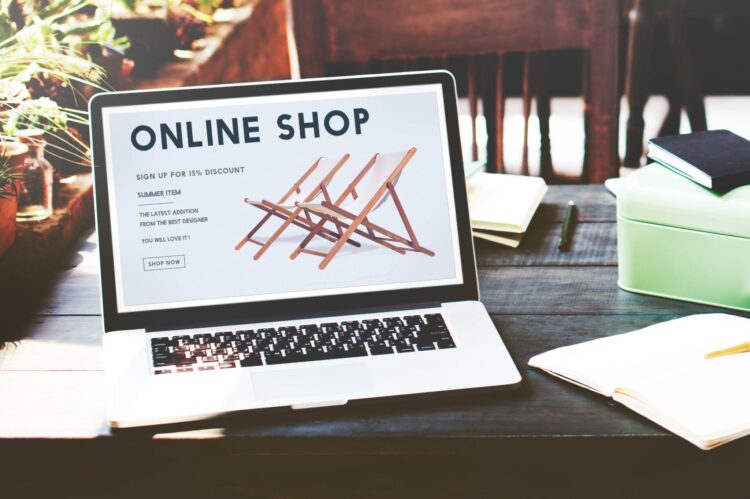
Image via Freepik

7 Website Enhancements That Help Your Business Grow in Uncertain Times

Guest post by Chelsea Lamb of businesspop.net

Economic downturns don’t pause customer expectations. If anything, they crank up the pressure: budgets shrink, patience thins, and trust becomes harder to earn. For small business owners, a website isn’t just digital real estate, it’s a working tool. It should reassure prospects, capture leads, drive conversions, and smooth out friction all at once. But too often, websites collect dust instead of momentum. In uncertain times, sharpening your digital storefront isn’t optional, it’s one of the most accessible levers you can pull to boost stability and spark growth. Let’s break down seven essential updates that can transform passive sites into active engines of trust, speed, and sale.

Streamline navigation to lower bounce rates

Visitors who can’t find what they need don’t stick around to learn more, they bounce, instantly. That’s why simplifying your website’s navigation is foundational. Clear, tiered menus help users quickly orient themselves without decision fatigue. The goal isn’t to impress with complexity; it’s to get people to their solution with zero friction. Creating a consistent structure across pages, with labels that are direct, not clever, makes this possible. Some design teams suggest prioritizing clarity over creativity by using clear menu options that guide users confidently. When your customers feel in control, they’re far more likely to take the next step.

Make your calls to action impossible to ignore

Every page should have a job, and that job should lead to an action. But vague or hidden CTAs (calls to action) stall momentum. The fix? Use short, benefit-oriented language like “Book a call,” “Try it today,” or “Start free.” Place them high on the page and repeat them after scroll events. During lean economic seasons, clarity becomes your most persuasive asset. A/B testing shows that clear CTAs paired with fresh content tend to convert better than buttons buried below the fold. You’re not just inviting them to click, you’re helping them make a decision faster.

Turn testimonials into a trust engine

Skeptical buyers aren’t swayed by bullet points, they’re moved by stories. If you’ve ever hesitated to buy something without reading the reviews, you already know why social proof builds trust. Creating a testimonial page or embedding reviews strategically across your site isn’t just a vanity play. It’s a conversion strategy. Include customer names, businesses (with permission), and specific outcomes. Bonus: video testimonials can serve double duty across your social and ad channels. In a world full of options, proof of satisfaction often makes the difference between browsing and buying.

Prioritize SEO that actually helps humans

Search engine optimization isn’t about gaming algorithms, it’s about making sure your customers can find you when it matters most. The basics still matter: title tags, headers, mobile responsiveness. But beyond that, ensure that your business shows up with location-based accuracy. One of the most overlooked SEO moves is to claim and update Google Business Profile, which not only impacts search rankings but helps prevent misinformation from spreading. Effective SEO helps you intercept intent at the exact moment someone’s searching for a solution like yours.

Stay fresh with content that signals activity

Nothing makes a site feel abandoned like outdated blog posts from 2019. But regular updates don’t have to be heavy lifts. Quarterly content updates or answering common customer questions can make a massive difference. A quiet blog suggests business dormancy; an active one communicates reliability. Creating a blog boosts small business SEO strategy that’s tied to seasonal needs or customer pain points can drive organic traffic and establish subject matter trust. Treat your blog not as fluff but as a signal, an alert to customers and search engines that you’re open, active, and ready.

Speed up your site and remove hesitation

If your site takes more than a few seconds to load, it’s already losing money. Sluggish performance creates friction, especially on mobile, where most visitors first meet your brand. Compression tools, clean code, and image optimization go a long way toward shaving down lag. Even seemingly small tweaks can pay off: site load time swings conversions across industries, and impatient users rarely come back. In uncertain times, performance becomes trust. A fast site isn’t just user-friendly, it tells customers you respect their time and mean business.

Train yourself or your team in cybersecurity

Economic pressure often coincides with increased fraud, phishing, and cyber threats. A security breach doesn’t just risk data, it can crater your reputation overnight. Investing in digital resilience matters more than ever. Consider how an online cybersecurity degree might empower you or your team to make smarter, safer infrastructure decisions. Customers trust websites that take security seriously, and trust leads to sales. Building that expertise internally ensures you’re not just reacting to threats, you’re preemptively defending against them.

Growth doesn’t stop when the economy wobbles, it just changes shape. Customers become more selective, friction becomes more expensive, and digital trust becomes harder to earn. But each of these site improvements doesn’t require a major overhaul. They require care, attention, and a bias for clarity over flash. Whether you start with a visible call to action or finally overhaul your SEO structure, the key is this: don’t let your website sit still. In times of uncertainty, your digital storefront should be doing more than just existing. It should be converting, comforting, and closing gaps, all day, every day.

Elevate your business with Chickadee Web Design and unlock the full potential of your online presence through expert web design and digital marketing solutions!

Image via Pexels

7 Website Enhancements That Quietly Drive Profit for Small Businesses

Guest post by Chelsea Lamb of businesspop.net

Small business websites don’t need to be flashy to be effective. They need to work quickly, consistently, and with just enough polish to inspire trust. Too often, entrepreneurs launch a site, tick the box, and move on, assuming the digital job is done. But the truth? A well-optimized website acts like a silent salesperson, always on the clock, quietly nudging browsers toward the checkout button. And when it’s thoughtfully enhanced, it becomes more than a business card. It actually becomes a growth engine. Let’s talk about the upgrades that actually make a difference.

Mobile Optimization

If your site stumbles on a smartphone, you’re bleeding customers. Mobile responsiveness isn’t a luxury any more. Visitors expect mobile-friendly browsing on phones without pinching, zooming, or squinting through misaligned menus. If that sounds minor, imagine a customer ready to buy who can’t tap the checkout button. That’s profit, gone. Make sure your pages adapt to all screens; phones, tablets, phablets, whatever. Test the user flow with your thumb, not your mouse. If the experience stutters, fix it fast.

Speed & Performance

People don’t wait anymore. If your website takes more than a few seconds to load, they bounce. That means your beautiful homepage never gets seen and your offer never even gets considered. Fortunately, compressing images and enabling caching are small moves that drastically cut load times. Use a performance plugin or get your developer to fine-tune your site’s guts. The faster the load, the sooner the action. The best part? Customers will just feel that the site “works” without knowing why, and that’s exactly what you want.

Credibility Design

Nothing makes or breaks trust like your homepage. Poor grammar, blurry images, cluttered layouts don’t just look unprofessional, they raise doubts. Whether you’re selling software or soap, website credibility boosts customer trust and drives decision-making. Think clean fonts, consistent branding, clear calls to action. Include testimonials, certifications, and photos that don’t look like stock leftovers. Credibility isn’t built with claims. It’s built with design. And when it clicks, people feel safe giving you their money.

Automation Efficiency

Most businesses waste too much time doing what their website should be doing for them. Scheduling, invoicing, follow-ups—all of it can run quietly in the background. Implementing tools where automating repetitive tasks saves time frees up energy for actual strategy. Install appointment plugins, set up chatbots, integrate payment systems. This isn’t about looking fancy, but more about building systems that make you look like you’ve got your act together. Because customers can sense when you don’t.

Strategic Planning

Launching a website without a plan is like building a house with no floor plan. You’ll waste time, blow budgets, and end up patching things later. It’s smarter (and cheaper) to define clear website development goals before writing a single line of copy. What do you want users to do? What should they feel? Where should their eyes go first? Strategy shapes the site structure, not the other way around. Once you’ve mapped the path, building becomes a whole lot easier, and more effective.

Ongoing Maintenance

You wouldn’t leave your storefront windows dusty, so don’t let your website go stale. Bugs creep in. Links break. Design gets outdated faster than you think. Routine maintenance ensures optimized user experience means higher sales, because visitors aren’t tripping over broken pages or outdated prices. Schedule regular checkups for speed, security, and UX. Even a few subtle tweaks, like new testimonials, seasonal offers, and cleaner copy, can refresh the site’s energy. A cared-for site signals a cared-for customer.

Education That Pays Off

The more you understand about the digital infrastructure behind your business, the sharper your decisions become. Investing in an information technology degree gives you the context and confidence to steer your online presence without relying on guesswork. It’s not just for aspiring developers. It’s for business owners who want to stop being blindsided by tech choices. With IT literacy, you’re not just a visionary. You become the architect. And that shift? That’s worth more than any plugin.

Websites are never “done.” They evolve, sharpen, and streamline over time—if you let them. These enhancements don’t require a Fortune 500 budget or a team of ten. Just attention, intention, and a bit of strategic follow-through. Optimize for speed. Build trust through design. Automate the tedium. And keep learning! Because the more you know, the less you waste. Your website isn’t just where business happens. It’s where momentum begins.

Elevate your business with Chickadee Web Design and unlock the full potential of your online presence through expert web design and digital marketing solutions!

Image via Pexels